
Talent Mapping: Benefits, Process & Best Practices
In today’s competitive business environment, finding and retaining the right talent has become one of the biggest challenges for organizations. Traditional recruitment often focuses only on filling immediate vacancies. But forward-thinking companies go beyond short-term hiring needs and adopt a strategic approach called talent mapping.
Talent mapping helps businesses anticipate future workforce requirements, identify skills gaps, and create a sustainable pipeline of high-quality candidates. Instead of reacting to hiring needs, organizations proactively prepare for them—saving time, money, and resources in the long run.
In this blog, we’ll explain what talent mapping is, outline the talent mapping process, explore its benefits, and highlight best practices that make it effective.
What is Talent Mapping?
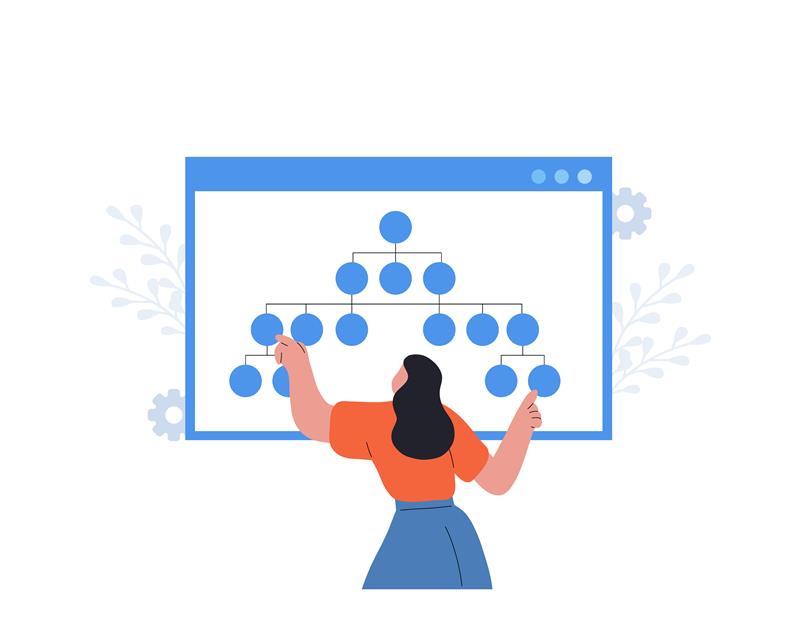
Talent mapping is a strategic HR and recruitment approach that aligns an organization’s long-term business goals with its workforce planning. It involves analyzing the current workforce, studying industry talent trends, benchmarking competitors, and building relationships with potential candidates—even if they’re not looking for a job right now.
Think of it as building a talent pipeline for the future. Instead of waiting for a vacancy to occur and then scrambling to fill it, businesses using talent mapping recruitment already know where to look and who might be the right fit.
For example:
- A growing tech company might map senior software engineers across the industry to identify future leaders.
- A retail chain may study regional hiring trends to understand where to source skilled sales managers.
Why Talent Mapping Matters for Businesses
Organizations today operate in a highly dynamic environment where skill requirements shift quickly. Emerging technologies, digital transformation, and global competition demand continuous access to skilled talent.
Without proper workforce planning, companies risk:
- Delays in filling critical roles.
- Higher hiring costs due to urgent recruitment.
- Losing top talent to competitors.
- Strategic growth being stalled by talent shortages.
This is where talent mapping makes a difference. It bridges the gap between business strategy and workforce planning, ensuring companies have the right people at the right time.
Benefits of Talent Mapping
Implementing talent mapping recruitment offers several advantages for organizations:
1. Proactive Hiring
Rather than reacting to vacancies, businesses can anticipate talent needs and prepare in advance. This reduces time-to-hire significantly.
2. Access to High-Quality Talent
By mapping the market, recruiters identify passive candidates—professionals not actively seeking jobs but open to the right opportunity.
3. Reduced Hiring Costs
A structured talent mapping process minimizes expenses associated with last-minute recruitment, job advertisements, and prolonged vacancies.
4. Improved Retention
Talent mapping isn’t just about external candidates. It also assesses internal employees for leadership potential and career growth, leading to higher retention.
5. Competitive Advantage
Understanding where the best talent resides and how competitors recruit gives organizations an edge in attracting and retaining top professionals.
6. Stronger Employer Branding
Engaging with potential candidates even before a role opens builds trust and positions the company as an employer of choice.
The Talent Mapping Process
The talent mapping process involves several key stages:
Step 1: Define Business Goals and Workforce Needs
The first step is aligning talent mapping with business objectives. For example:
- A company planning international expansion may need to identify bilingual leaders.
- An IT firm investing in AI will require data scientists and machine learning experts.
By linking workforce needs with business growth strategies, talent mapping becomes more targeted and impactful.
Step 2: Analyze Current Workforce
Assess the organization’s existing workforce to identify strengths, gaps, and areas requiring upskilling. This includes:
- Employee skills audits.
- Succession planning.
- Performance reviews.
Step 3: Research the Talent Market
Study the external labor market to understand where potential candidates are, what skills they have, and how competitors are hiring them. This step includes:
- Competitor benchmarking.
- Industry and geographic talent trends.
- Compensation analysis.
Step 4: Build a Talent Pipeline
Recruiters and HR teams should create a pool of potential candidates for critical roles. This involves:
- Engaging with passive candidates.
- Networking through professional communities.
- Leveraging platforms like LinkedIn, job boards, and recruitment databases.
Step 5: Ongoing Engagement
Talent mapping is not a one-time activity—it’s continuous. Recruiters need to maintain relationships with mapped candidates through:
- Employer branding campaigns.
- Regular communication and updates.
- Sharing insights about company culture and growth opportunities.
Step 6: Review and Update
Business needs and market conditions change. Regularly update the talent map to reflect new priorities, skill demands, and leadership needs.
Best Practices for Effective Talent Mapping
To maximize the benefits of talent mapping recruitment, businesses should follow these best practices:
1. Collaborate Across Teams
Successful talent mapping requires input from HR, leadership teams, and department heads. Collaboration ensures accuracy in identifying future skill needs.
2. Leverage Technology
Use AI-driven tools, applicant tracking systems (ATS), and workforce analytics to streamline the talent mapping process and gain actionable insights.
3. Focus on Passive Candidates
Most high-quality professionals are not actively job hunting. Building long-term relationships with passive candidates ensures a ready talent pool.
4. Balance Internal and External Talent
Talent mapping should include identifying potential leaders within the organization as well as external candidates. This creates opportunities for internal mobility.
5. Prioritize Diversity and Inclusion
Mapping diverse talent pools helps organizations build more innovative, resilient, and representative workforces.
6. Work with Specialized Partners
For businesses with limited internal HR capacity, outsourcing talent mapping recruitment to specialized firms ensures faster results and access to larger talent pools.
Why Outsource Talent Mapping Recruitment?
Not every business has the bandwidth or expertise to carry out talent mapping internally. This is why many organizations outsource to professional recruitment firms.
Outsourcing talent mapping offers:
- Industry expertise – Access to recruiters with deep market knowledge.
- Confidentiality – Sensitive hiring plans are handled discreetly.
- Time savings – Faster research, mapping, and engagement processes.
- Access to hidden talent – Recruitment agencies have established networks of passive candidates.
By outsourcing, businesses can focus on their core operations while ensuring they have a robust talent strategy for the future.
Future of Talent Mapping
As businesses continue to evolve, talent mapping will become even more important. Emerging trends include:
- AI-driven mapping: Predictive analytics will forecast workforce needs more accurately.
- Global mapping: Remote work allows organizations to tap into global talent pools.
- Skills-first mapping: More emphasis on skills and potential rather than just job titles.
- Continuous engagement: Companies will maintain long-term relationships with potential candidates through digital platforms and employer branding.
Final Thoughts
Talent mapping is more than a recruitment strategy—it’s a long-term investment in the future success of your business. By following a structured talent mapping process, companies can reduce hiring risks, build stronger teams, and gain a competitive edge in attracting top talent.
Whether you’re a fast-growing startup or an established enterprise, preparing today for tomorrow’s workforce challenges is critical. And for businesses with limited HR capacity, outsourcing talent mapping recruitment ensures access to expertise, larger networks, and better candidate pipelines.
In a business world where talent is the true differentiator, those who invest in mapping their future workforce will always stay ahead.
Partner with G&S Consulting for Your C-Suite Hiring
At G&S Consulting, we specialize in helping businesses identify, map, and engage with high-potential talent that aligns with their growth goals. Our proven expertise in talent mapping recruitment ensures that you not only fill current roles but also build a sustainable talent pipeline for the future.
Connect with us today to discover how our tailored talent mapping solutions can help your business stay competitive in 2025 and beyond.