
How AI Is Changing Recruitment for Hiring Managers
Hiring managers today are dealing with more applications, tighter timelines, and higher expectations from leadership than ever before. Traditional hiring methods, built around manual resume screening and gut-feel decisions, simply cannot keep pace with modern hiring volume. This is why ai recruitment has moved from a “nice to have” experiment to a core part of how hiring teams operate.
In this article, we will break down what AI recruitment actually means for hiring managers, how it changes daily workflows, and what to look for when evaluating tools built for this purpose.
What Is AI Recruitment?
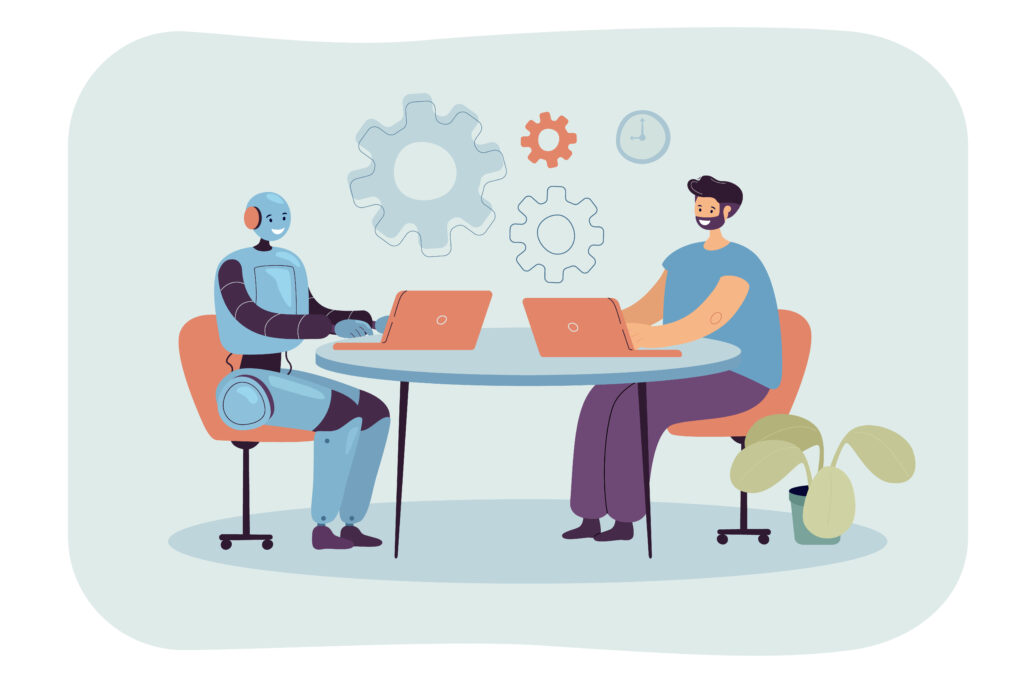
AI recruitment refers to the use of artificial intelligence tools and algorithms to support or automate parts of the hiring process. This includes resume screening, candidate matching, interview scheduling, chatbots for candidate communication, and predictive analytics that help forecast which candidates are likely to succeed in a role.
For hiring managers, this is not about replacing human judgment. It is about removing repetitive tasks so that more time can be spent on evaluating candidates who are genuinely a strong fit.
Why Hiring Managers Are Turning to AI
1. Faster Resume Screening
Manually reviewing hundreds of resumes for a single role is one of the biggest time drains in recruitment. AI tools can scan and rank resumes in seconds based on skills, experience, and role requirements, allowing hiring managers to focus only on shortlisted candidates.
2. Better Candidate Matching
Recruiting with AI allows systems to go beyond keyword matching. Modern models can understand context, such as identifying transferable skills or recognizing equivalent job titles across industries, which leads to a stronger pool of relevant candidates rather than just a longer list.
3. Reduced Bias in Early Screening
When configured correctly, AI systems can help standardize how candidates are evaluated in the early stages, reducing the risk of unconscious bias that can creep into manual screening. This does not eliminate the need for human oversight, but it adds a layer of consistency that is difficult to achieve manually.
4. Faster Time to Hire
Automated scheduling, AI-driven communication, and instant shortlisting all combine to shorten the hiring timeline. For hiring managers under pressure to fill roles quickly, this reduction in time to hire is often the single biggest benefit.
5. Data-Backed Decision Making
Instead of relying purely on instinct, hiring managers using an ai-based recruitment platform can access data on candidate quality, source effectiveness, and predicted retention. This turns hiring into a more measurable, repeatable process rather than a one-off guessing game for every role.
How AI Recruitment Platforms Actually Work
Most AI based recruitment platforms combine a few core capabilities:
- Resume parsing and ranking, which extracts structured data from resumes and scores candidates against job requirements.
- Predictive matching, which uses historical hiring data to suggest which candidates are most likely to perform well.
- Conversational AI, used for initial candidate screening, FAQs, and interview scheduling.
- Analytics dashboards, giving hiring managers visibility into pipeline health, drop off points, and diversity metrics.
For hiring managers, the value is not the technology itself, but what it frees them up to do: have better conversations with better candidates, sooner.
What Hiring Managers Should Watch Out For
AI recruitment is powerful, but it is not a plug and play solution. A few things worth keeping in mind:
- Tool bias needs regular auditing. AI models are only as fair as the data used to train them. Periodic reviews are essential.
- Candidate experience still matters. Over automating communication can make the process feel impersonal if not balanced with human touchpoints.
- Not every role fits the same model. Highly specialized or senior roles often still need deeper human involvement even with AI support in the early stages.
The Future of AI in Recruitment
As AI recruitment tools mature, expect deeper integration between sourcing, screening, and onboarding, along with more accurate predictive analytics for role fit and retention. Hiring managers who understand how to use these tools well, rather than blindly trusting automated scores, will have a real competitive advantage in attracting and retaining talent.
Final Thoughts
AI recruitment is reshaping how hiring managers source, screen, and select talent, making the process faster, more consistent, and more data driven. Teams that adopt these tools thoughtfully, while keeping human judgment central to final decisions, are best positioned to build stronger teams in less time.
If you are exploring how to bring AI recruitment into your hiring process the right way, G&S Consulting can help you evaluate and implement the right approach for your team.
Frequently Asked Questions
What is AI recruitment in simple terms?
AI recruitment is the use of artificial intelligence to automate or improve parts of the hiring process, such as resume screening, candidate matching, and interview scheduling.
Does recruiting with AI replace hiring managers?
No. AI recruitment supports hiring managers by handling repetitive tasks and surfacing better candidate matches, but final hiring decisions still rely on human judgment.
What should I look for in an AI based recruitment platform?
Look for accurate candidate matching, transparent scoring criteria, bias auditing features, integration with your existing applicant tracking system, and clear reporting dashboards.
Is AI recruitment suitable for small businesses?
Yes. Many AI recruitment platforms are scalable and can be adapted for small hiring volumes as well as enterprise level recruitment.
How does AI recruitment reduce time to hire?
By automating resume screening, candidate ranking, and interview scheduling, AI recruitment removes manual bottlenecks that typically slow down the early stages of hiring, allowing recruiters to reach qualified candidates faster.