
Advances in artificial intelligence (AI), automation, and digital tools have changed how work is done, how teams are formed, and how value is created. This isn’t limited to large enterprises; small startups are equally impacted as they innovate, scale, and compete in an AI-driven economy.
Workforce 4.0 represents the convergence of remote work, AI-powered HR systems, and intelligent digital workflows. Traditional office boundaries are dissolving, replaced by virtual teams, and distributed talent. For startups, this shift brings greater access to a global pool of talent, greater operational flexibility, and accelerated growth.
In this context, HR is no longer just administrative support. It must become a strategic, tech-enabled function that partners with founders and leadership to build future-ready organizations.
Workforce 4.0 describes a new era of work where geography matters less than capability, and where AI tools support every phase of the employee lifecycle. Remote and hybrid models are now standard practice for forward-thinking companies. Organizations are leveraging technology not just to connect teams virtually, but to make work more intelligent and autonomous.
Startups embracing this model can hire talent worldwide, forming diverse and distributed teams that bring varied perspectives and expertise to the table. Meanwhile, routine HR processes, from onboarding and scheduling to payroll and policy queries, are increasingly automated, freeing HR teams to focus on strategic priorities like culture, leadership, and talent development.
In Workforce 4.0, HR must shift from being an administrative gatekeeper to a people-centric enabler equipped with digital tools and strategic foresight.
From startup to high-growth phases, get HR support designed for your context that is responsive, bespoke, and scalable.
AI is revolutionizing the way startups find, engage, and hire talent. This year, AI-powered recruitment tools are among the top HR tech trends, automating tasks that once bogged down small HR teams.
Large volumes of resumes can now be screened in seconds, with AI identifying top candidates based on objective skills and experience patterns rather than subjective judgment. AI tools assist with writing job descriptions, matching candidates to roles, and even automating communications like interview scheduling or candidate updates.
These capabilities are vital for startups where speed matters. By shortening hiring cycles and reducing administrative bottlenecks, AI helps startups staff rapidly and efficiently while maintaining quality. Predictive analytics bring another advantage; by anticipating future skill needs, HR can help leaders build teams that not only fit current needs but are poised for growth.
In a distributed workforce, employee experience becomes a strategic advantage. AI-powered HR platforms enable 24/7 self-service. Employees across time zones can instantly find answers about benefits, leaves, or policies without waiting for HR business hours.
AI also fuels data-driven insights. Tools that analyse sentiment, performance metrics, and engagement patterns can help HR teams spot risks like disengagement or burnout early. Proactive action informed by data leads to stronger morale and better retention outcomes.
Personalization is another trend. AI can curate learning and development paths based on individual performance data, helping employees grow skills that matter. This not only boosts satisfaction but also enhances loyalty, a critical advantage for startups competing with larger companies for talent.
Tap into customised recruitment solutions that fill key roles faster and with the right cultural and skills fit.
Workforce 4.0 demands that HR be strategic rather than reactive. With digital HR systems (e-HRM), startups can transform HR from an operational necessity into a decision-support powerhouse.
AI-driven analytics empower HR with forecasting tools, identifying future workforce gaps, performance trends, and skill shortages before they become bottlenecks. Predictive attrition analysis and performance dashboards equip leadership with insights that drive proactive talent planning instead of ad-hoc hiring.
This approach aligns HR goals directly with business strategy, ensuring that workforce planning supports growth objectives, customer expectations, and market opportunities.
AI in HR raises important questions around privacy, fairness, and transparency. Algorithms trained on biased or incomplete data can produce skewed outputs, undermining trust and equity. Startups must implement strong data governance and ethical frameworks to ensure fair AI decision-making.
Automation must be balanced with human empathy. Even as systems handle routine tasks, HR professionals remain essential for culture building, mentoring, and support, areas where human judgment and emotional intelligence are irreplaceable. Open dialogue with employees about AI adoption, transparent communication, and inclusive change management help build confidence and reduce resistance.
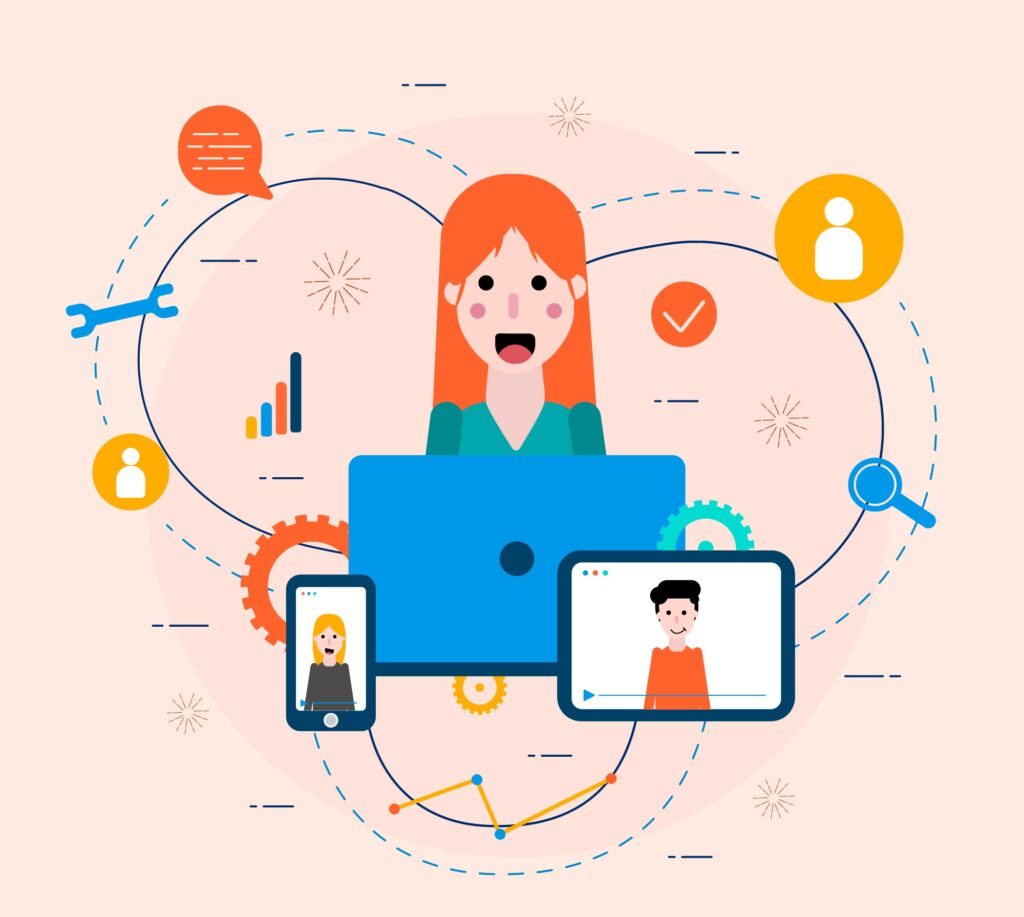
AI is reshaping job roles. As routine tasks become automated, soft skills like creativity, problem-solving, and emotional intelligence gain prominence. Startups must invest in upskilling and reskilling to equip their workforce for this shift.
Remote and flexible training, delivered through e-learning platforms, virtual classrooms, and on-demand modules, ensures learning is continuous and accessible. Embedding learning into the company culture reinforces agility and adaptability, enabling teams to remain competitive in a fast-changing environment.
To thrive in the AI-driven economy, startups must build robust HR infrastructures, starting with:
Free up leadership bandwidth while we manage HR processes, simplify operations, and support your workforce strategy from end to end.
G&S Consulting helps early-stage startups to high-valuation and enterprise-level businesses solve complex people and organisational challenges through tailored, strategic HR solutions. Their expertise spans talent acquisition, HR practices, and performance-driven workforce planning, making them the ideal partner for startups preparing for the AI-driven economy and remote work era.
In the upcoming year, successful startups won’t just adopt AI and remote work; they will integrate them with purpose and human insight. AI-assisted tools reduce routine workload and widen talent reach, yet ethical governance, transparency and employee trust remain central to sustainable adoption.
Key takeaways:
Transforming your HR strategy for the AI-driven economy? Connect with G&S Consulting today to build your Workforce 4.0.